
BharteeINDUSTRIESinquiry@bharteeindustries.inStart inquiry

TIN PLATING · ISO 2093 SCOPE-LED REFERENCE

Tin Plating for Electrical and Industrial Components

Tin-plating inquiries should define the fabricated component, basis metal and surface condition, bright or matte finish, significant surfaces, coating thickness, undercoat and the functional or inspection requirement. Standard scope limitations must be checked before ISO 2093 is cited.

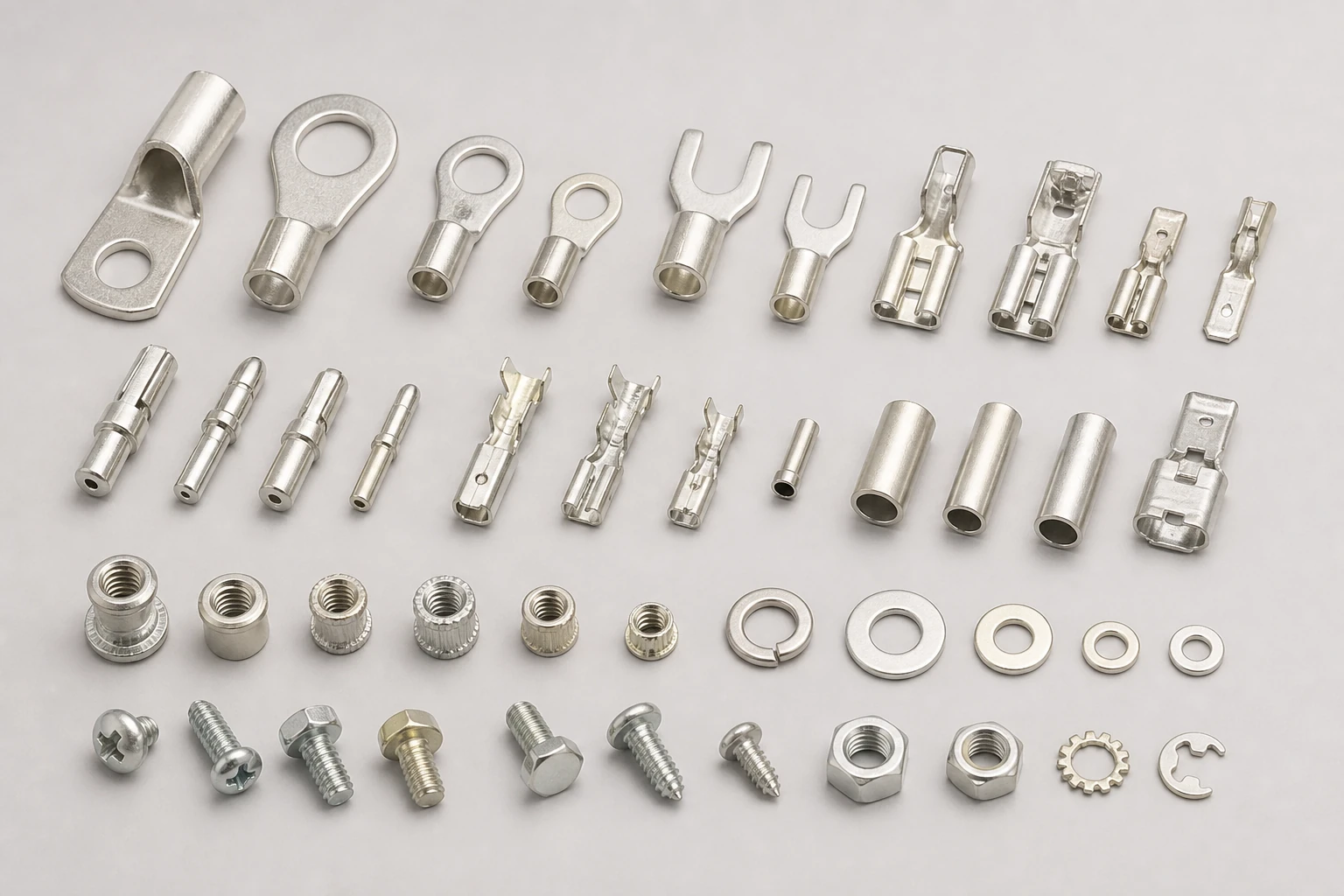
Tin-plated electrical terminals and industrial components
Tin-plating job work reference image

TECHNICAL SUMMARY

What to include in the inquiry

Use the applicable drawing and governing standard as the final authority. Other / Custom keeps unusual requirements inside the same RFQ.

ProcessElectroplated nominally pure tin where the selected standard applies
ReferenceISO 2093:1986 within its published scope
Finish inquiryBright, Matte or Other / Custom
Substrates in formCopper, Brass, Mild / Carbon Steel or Other / Custom
Functional requirementConductivity, solderability, corrosion protection or customer-defined
Required definitionSignificant surfaces, undercoat, thickness, inspection and handling

TECHNICAL REFERENCE

Coating and inspection tables

These tables identify the applicable technical reference and the information that must be agreed in the purchase specification. They do not replace the governing standard, drawing or customer acceptance criteria.

Tin-plating RFQ and scope checklist

FieldProvideTechnical boundary
ComponentPart number, drawing and fabricated conditionISO 2093 does not cover threaded components or coil springs
Basis materialMetal / alloy, condition and any tensile-strength information for steelISO 2093 excludes electroplating of steels above its stated strength limit
DepositBright / matte, coating designation, thickness and undercoatFinish appearance is not a complete deposit specification
FunctionElectrical, soldering, corrosion or other project criterionRequired tests must be tied to the intended function
InspectionSignificant surfaces, measurement method, sampling and acceptance limitsReport scope must be agreed before processing

What an inspection report should identify

Report content must follow the purchase order, governing standard and agreed inspection plan.

EvidenceWhat must be identifiedImportant boundary
Coating-thickness / DFT reportPart or lot identity, measurement method, measurement locations, units and recorded valuesThe method must suit the coating/substrate combination and part geometry; DFT is not a universal method name for every metallic coating.
Salt-spray reportTest standard and mode, specimen identity, exposure duration, evaluation intervals and agreed failure criterionA pass/fail conclusion requires acceptance criteria from the product or customer specification.
Visual and coverage inspectionSignificant surfaces, coverage, visible defects and any permitted contact or rack marksAppearance limits must be agreed; colour alone does not establish coating performance.
Functional verificationThread fit, masking, contact areas, dimensional limits or other drawing-defined featuresThe required checks depend on the component and are not implied by the coating name.

Reports are available when specified in the RFQ and confirmed in the quotation. Sampling, laboratories, witness points and acceptance criteria must be agreed before processing.

STANDARD SCOPE

Use ISO 2093 only where its product and material limits apply

ISO 2093 specifies nominally pure tin coatings on fabricated metal articles. Its published scope excludes threaded components, coil springs, chemically applied coatings and steels above the stated tensile-strength limit.

BASIS MATERIAL

State the substrate and required undercoat

Copper, brass, mild steel and other basis metals can require different pretreatment or undercoat decisions. Provide the basis material and any drawing-specified underplate rather than leaving it implicit.

FUNCTION

Identify conductivity, solderability or corrosion-protection requirements

The requested function affects finish, thickness, storage and inspection choices. Use the exact customer or product criterion instead of assuming bright and matte deposits are interchangeable.

SIGNIFICANT SURFACES

Mark the contact and evaluation areas

Identify electrical contacts, solder areas, dimensional interfaces, masking and permitted contact marks on the drawing or RFQ.

BUYER QUESTIONS

Frequently asked questions

Does ISO 2093 cover threaded components?

No. Its published scope explicitly excludes threaded components, so another applicable specification must be agreed for those parts.

Should the basis metal be stated?

Yes. The substrate and any required undercoat are essential RFQ inputs.

Is bright or matte finish enough information?

No. Also specify significant surfaces, thickness / designation, undercoat, function, inspection and acceptance requirements.

BUILD ONE MULTI-ITEM RFQ

Ready to specify Tin Plating?

Describe the supplied parts, define the coating and reporting requirements, then provide buyer and delivery details once at the end.

Prefer email? inquiry@bharteeindustries.in

Open inquiry builder